Meta Muse and Grok Bot: Are Cloud-Hosted Agents the Next Form?
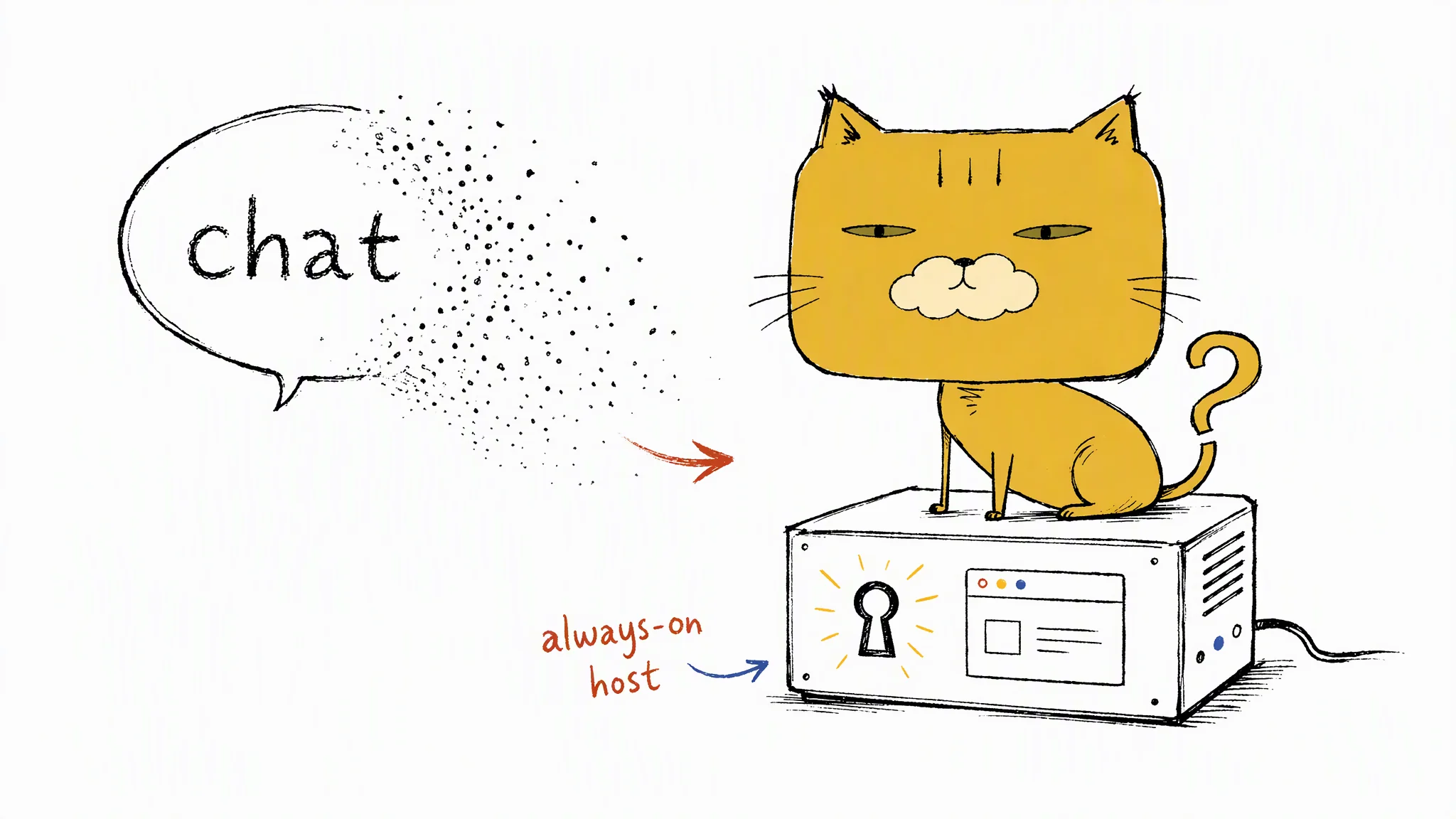
For a large class of real work, cloud-hosted agents with their own persistent computer look like the next form of the agent. Meta Muse (September 8, 2026) and xAI’s Grok Bot (beta, August 11, 2026) both ship that shape: a named worker with a browser, files, and a machine that keeps running after you close the laptop.
Chat is still here, and CAPTCHAs and custody still hurt. Amazon is now refusing to let Muse shop on its site at all.
I would not have written that last sentence last week. It is also the cleanest evidence that the interesting bottleneck has moved.
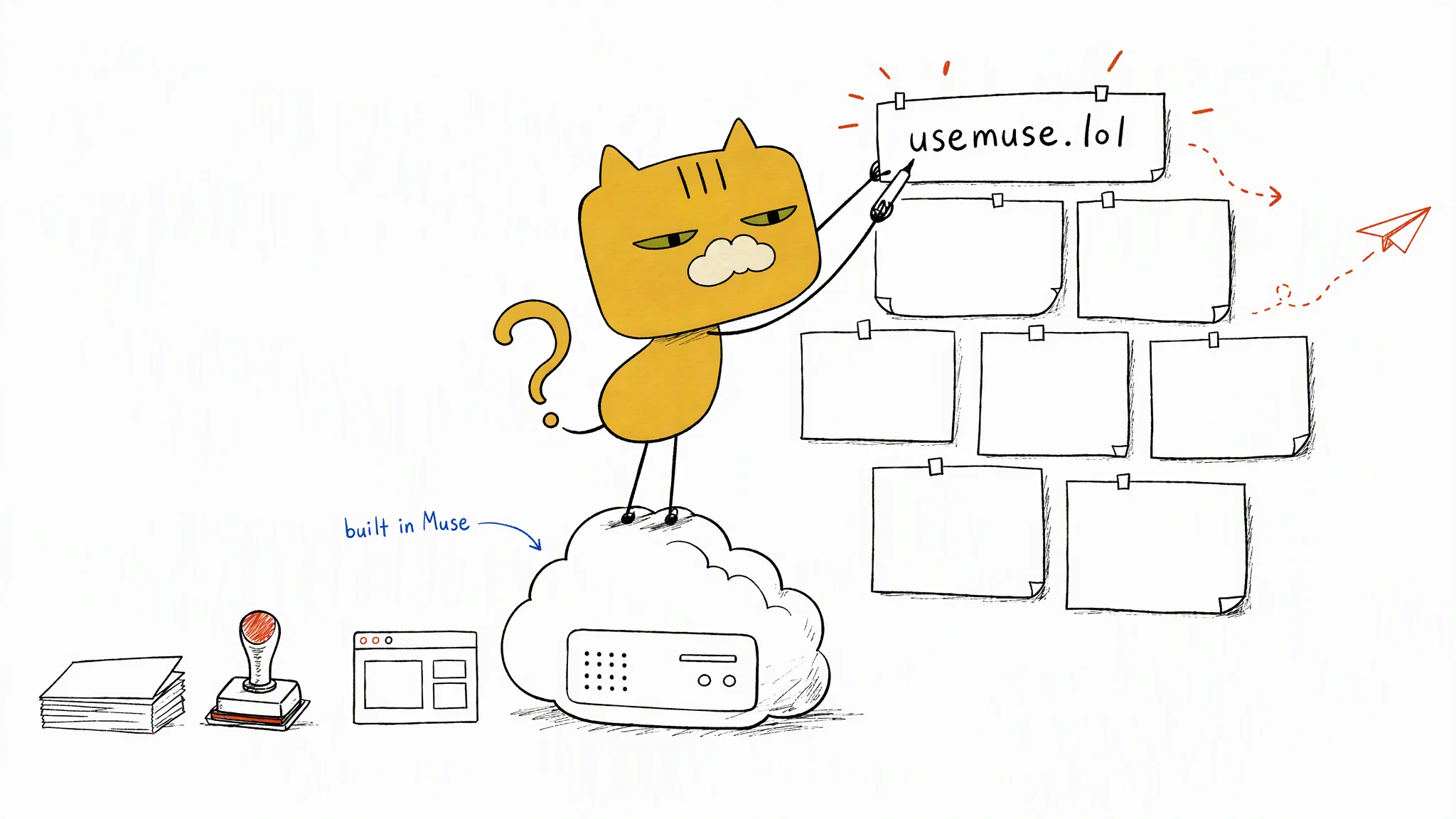
I run usemuse.lol, an unofficial playbook of things you can hand to Meta Muse. I built and launched that site entirely inside Muse, which is why I started taking this architecture seriously. Product facts below were checked on September 22, 2026.
From chat sessions to a runtime
Most 2024–2025 “agents” were still chat with tools bolted on. You opened a thread, asked for work, watched a draft appear, and lost the thread when the tab closed.
Cloud-hosted agents change the unit of work. A job now has a runtime that outlives the conversation:
| Old form | Cloud-hosted form |
|---|---|
| Session ends when you leave | Work continues after you close the app |
| Fresh context every task | Named agent keeps memory, files, logins |
| You route between tools | The agent signs in and lands work in the real tool |
| Drafts and plans | Actions in real apps, with approval gates |
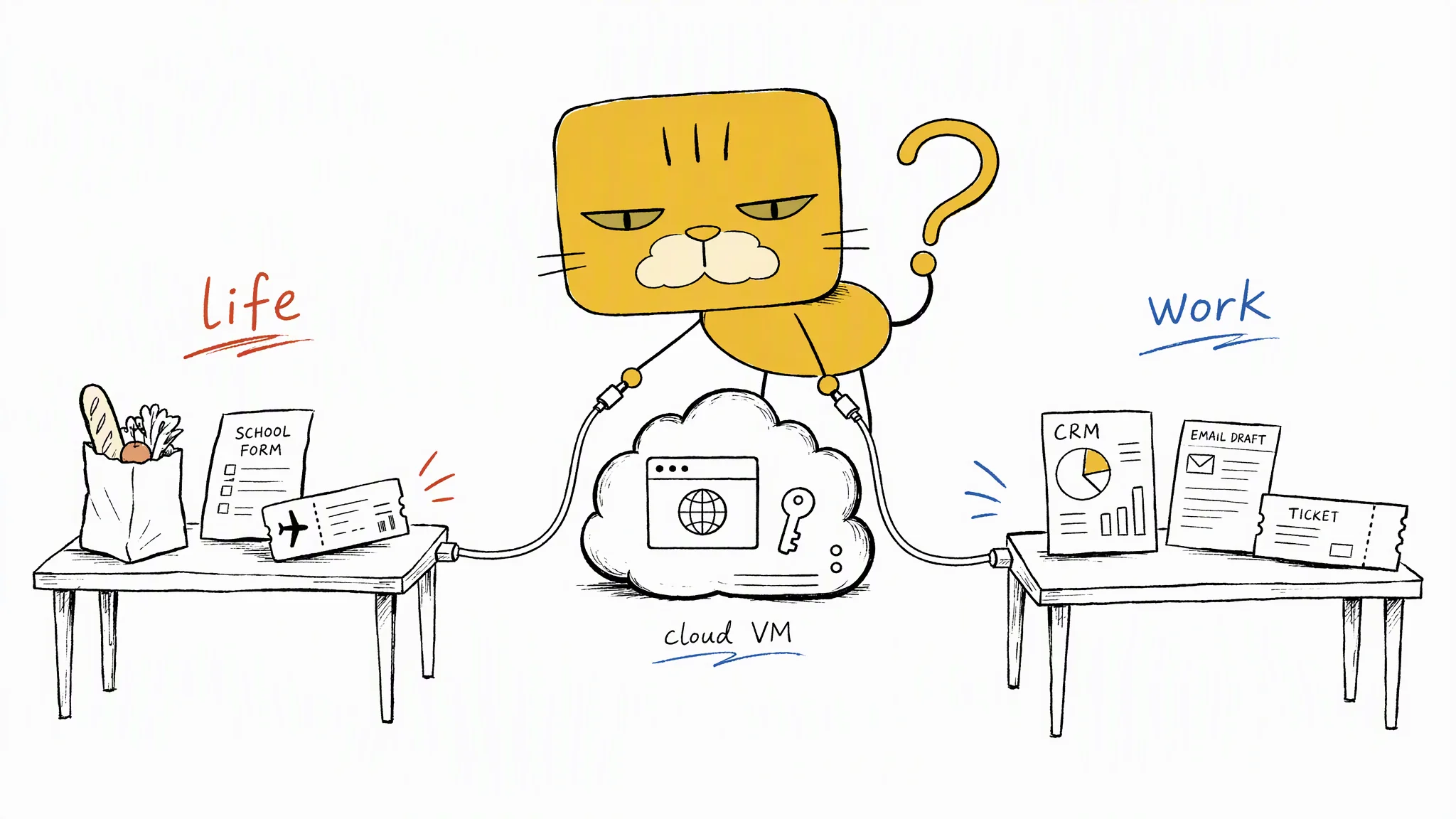
Meta’s launch note says personal agents need “a new kind of secure computer,” so Muse runs on Muse Secure VM, a dedicated cloud machine that houses the agent and your data. xAI’s docs describe each Bot working on a persistent cloud computer with a browser, filesystem, and terminal, so tasks finish in your real tools instead of as chat drafts.
That packaging problem has two answers. The open question is whether this form generalizes beyond a couple of flagship products.
Meta Muse
Muse is a personal AI agent you message in the Muse app or inside WhatsApp. Powered by Muse Spark, it plans goals, opens a browser, fills forms, books travel, and negotiates bills. Payments go through Stripe Link one-time virtual cards so merchants never see your real card, and a separate Sentinel agent gates what leaves the VM.
The product bet is consumer life logistics: school email triage, flight price watches, grocery lists from saved reels, dinner planning with dietary memory. As of mid-September 2026 there is a free usage-limited tier (some reporting puts the allowance around 100M tokens/week; Meta’s product page only states a usage limit), plus Power at $20/month and Maximum at $100/month. Paid tiers mainly raise volume. Rollout: US on September 8, Canada on September 18.
Grok Bot
Grok Bot is xAI’s always-on AI teammates. Each Bot has a name, a job, and context that compounds. Your Bots share one account-level cloud computer (strict isolation between users), so they can hand off files and browser sessions without redoing setup. It researches accounts overnight, drafts outreach in your voice, cleans CRM notes from call transcripts, and returns when something needs approval.
Access has widened a lot since the August 11 beta. Cursor’s current plan matrix includes Grok Bot on every paid individual plan — Pro, Pro+, Ultra — and on Cursor Teams. You can also link SuperGrok, SuperGrok Plus, SuperGrok Heavy, or X Premium+ for usage. Ultra still has the highest weekly allowance. The old launch coverage that framed this as a $200/month product is out of date; Cursor Pro is enough to start. xAI sells it as digital labor and says it began as an internal prototype for sales, marketing, office ops, and bug triage.
What the host actually buys
A persistent cloud computer is a strong way to build a stateful agent runtime, and you can build each piece without one. Queues handle background jobs. Databases hold memory. Credential vaults hold logins. Remote browser sessions and short-lived containers can operate sites. What a standing host is unusually good at is giving those pieces one long-lived place to live together: browser state, files, tools, login sessions, and a shell that stay warm. When a site has no API, the agent can still operate the UI, and it does not rebuild the environment every morning.
The broader pattern shows up elsewhere, with different hosting models. Manus has run research missions on a cloud sandbox since 2025 and now markets a persistent Cloud Computer. Claude Cowork isolates work in a VM too, but Anthropic’s public architecture is a local VM on the user’s Mac or Windows machine (Virtualization Framework / HCS), which is a different bet from keeping your agent on a vendor cloud host. Coding agents keep long-lived worktrees for related reasons, though moving native iOS and macOS workflows into cloud runners hits unique limits in Mac virtualization. Even how we design AI workflows shifts when the agent is a standing machine instead of a prompt.
That distinction matters. Muse and Grok Bot are two of the clearest mainstream examples in 2026 of designing the whole product around that host.
Where the form still fails
The web was built for humans with browsers. It has not yet agreed to accept agents acting as those humans. Amazon made that plain this weekend. Starting Sunday night, Muse users hit an error on Amazon.com: continued access by an unauthorized AI agent violates Amazon’s Conditions of Use. Amazon told reporters Meta did not disclose that Muse would access the store, and that the agent does not identify itself while browsing. Meta says Muse cannot see passwords or payment details. Bloomberg reported Amazon asked Meta to remove the bot and Meta declined.
I care less about who is right in that fight than about what it exposes. Browser automation was the growth path for these agents. The next constraint is whether the site wants the agent there. CAPTCHAs and bank MFA were the old walls. Retailer policy is the new one. Platform permission and agent identity are product problems now, and a better model alone will not solve them.
Privacy and custody are also real. Your inbox, calendar, and card rails live on Meta’s or Cursor’s cloud. Sentinel and Meta’s planned Confidential VM are serious engineering answers, and they still ask you to trust vendor operations.
Simple tasks feel slower. Two-minute jobs are often faster by hand. This form pays off on recurring, multi-step, multi-app work.
Lock-in is real too. Muse is tied to Muse Spark and Meta’s connectors. Grok Bot usage is metered through Cursor or a linked SuperGrok/X subscription. You cannot point either host at an arbitrary frontier model the way open harnesses allow. The coding world already lived through a version of that fight in the Windsurf / Antigravity / Devin split.
usemuse.lol
I built usemuse.lol as a working test of this thesis. It is the Muse Playbook, an unofficial guide with paste-ready prompts for concrete jobs: flight watches, subscription audits, school email triage, bill negotiators. Not affiliated with Meta.
A few moments from that build still shape how I read these products. I would outline a section, close the laptop, and come back to draft pages already sitting on the Secure VM waiting for review. Multi-page scaffolds, case skeletons, and prompt templates often finished without me hovering. Where I had to take over was narrower than I expected: login walls, odd form flows, and any page where I cared about voice. Copy I did not specify carefully enough came back usable but generic, so I rewrote those by hand.
The first time it felt different from ChatGPT was not a clever answer. It was opening the project after a break and finding work I had not watched happen. A standing host does not remove editorial judgment. It moves your attention up a level.
Is this the next form?
The observation I would keep is modest. For recurring work that lives in real tools, giving the model a long-lived place to operate changes what agents can finish. Meta Muse and Grok Bot are early, loud examples of that shift in 2026, alongside Manus and a swarm of coding runtimes. The stronger claim, that every future agent must be a persistent VM, goes further than the evidence.
Chat still wins at thinking out loud and quick lookups. Delegation wins when the job has to continue after you walk away. Whether that job is allowed to touch the open web is now the open question. Amazon just answered “no” for one major storefront.
If you are picking team tooling, start from how models and agents fit an AI workflow. For one concrete Muse experiment, the setup guide is the shortest path I know.